The Berom Diaspora Coalition (BDC) has issued a strongly worded condemnation of what it described as a deepening humanitarian catastrophe in Berom land and across parts of Plateau State, warning that the sustained wave of violence now threatens the very survival of indigenous communities.
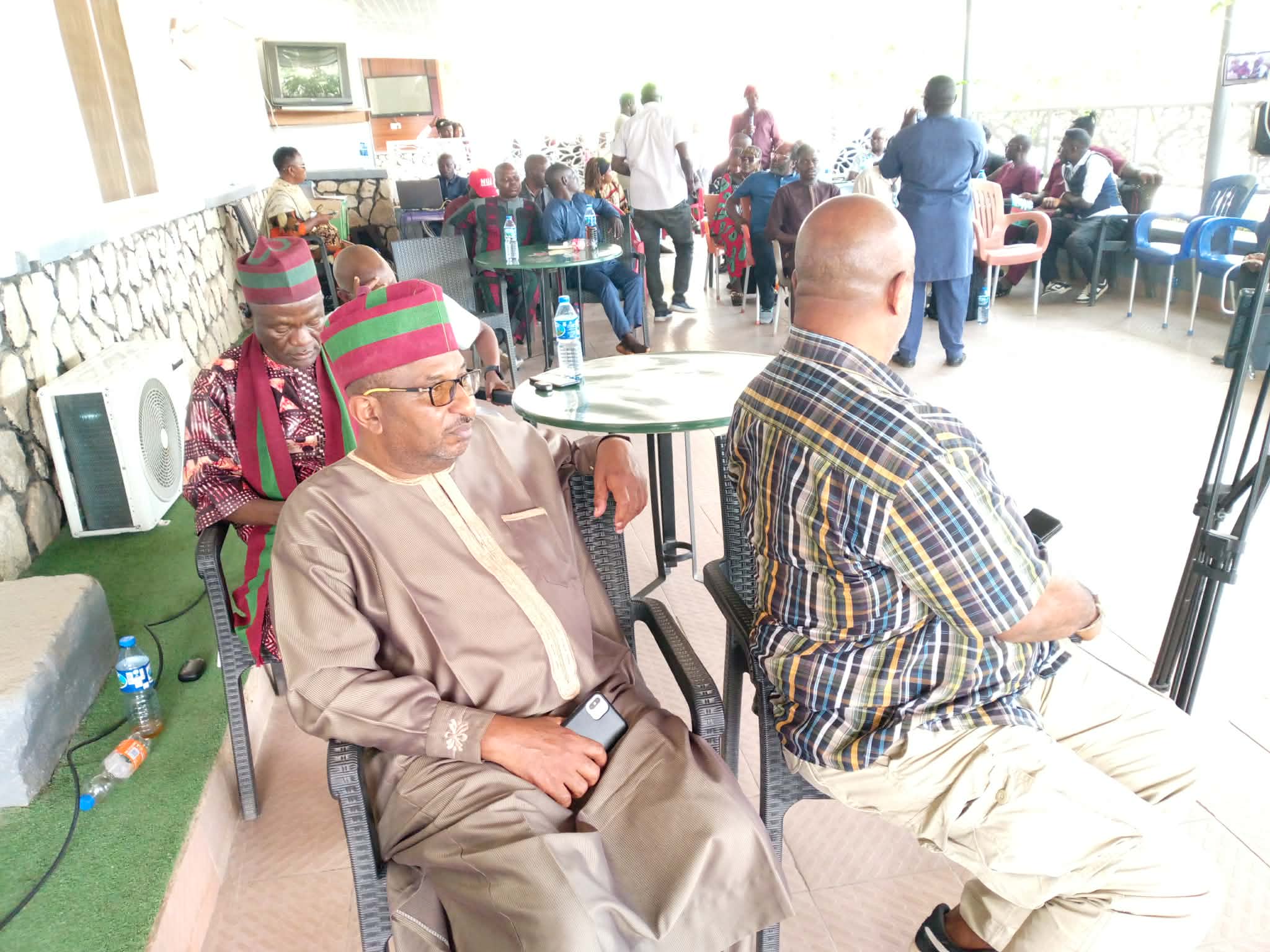
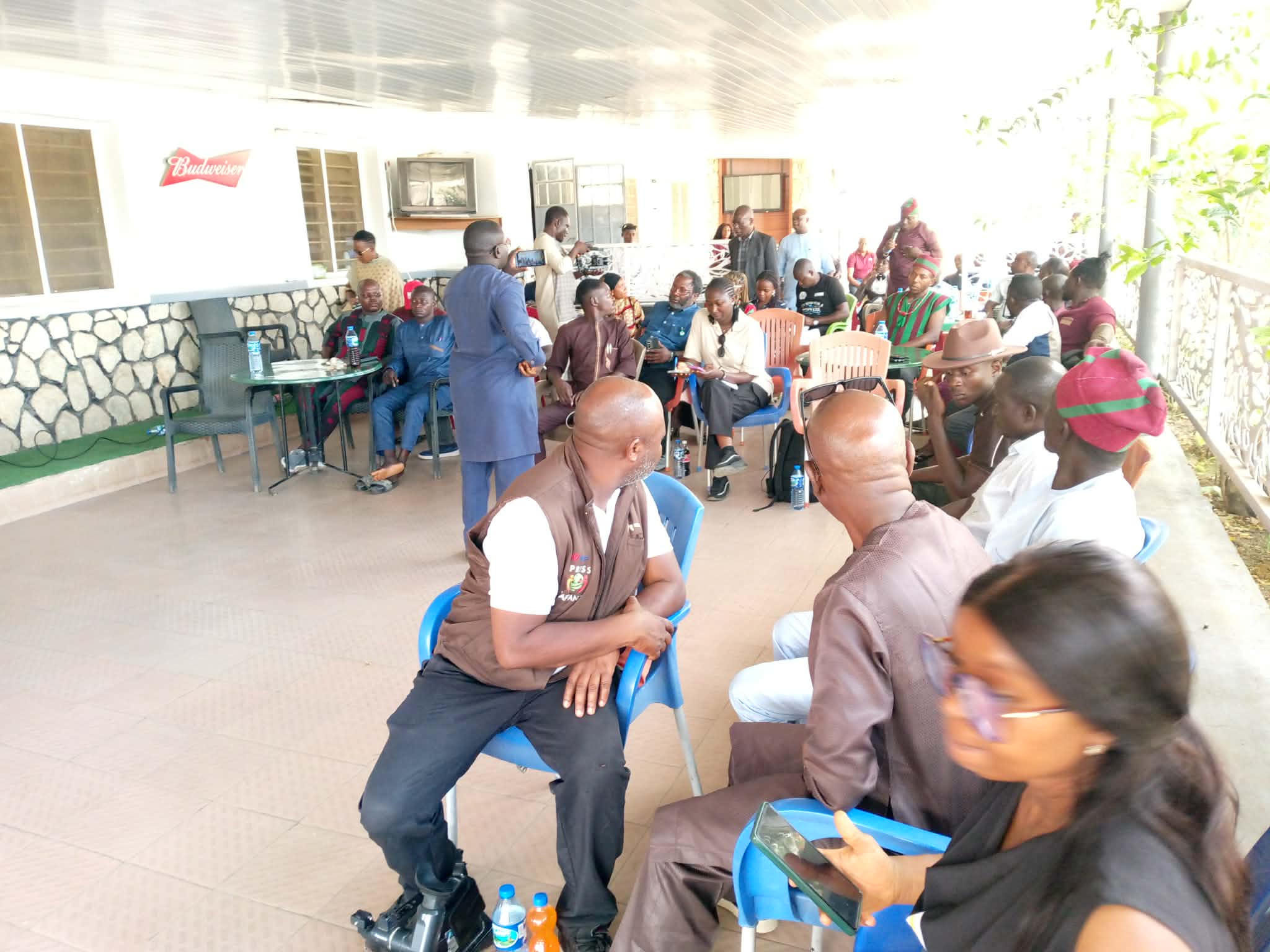
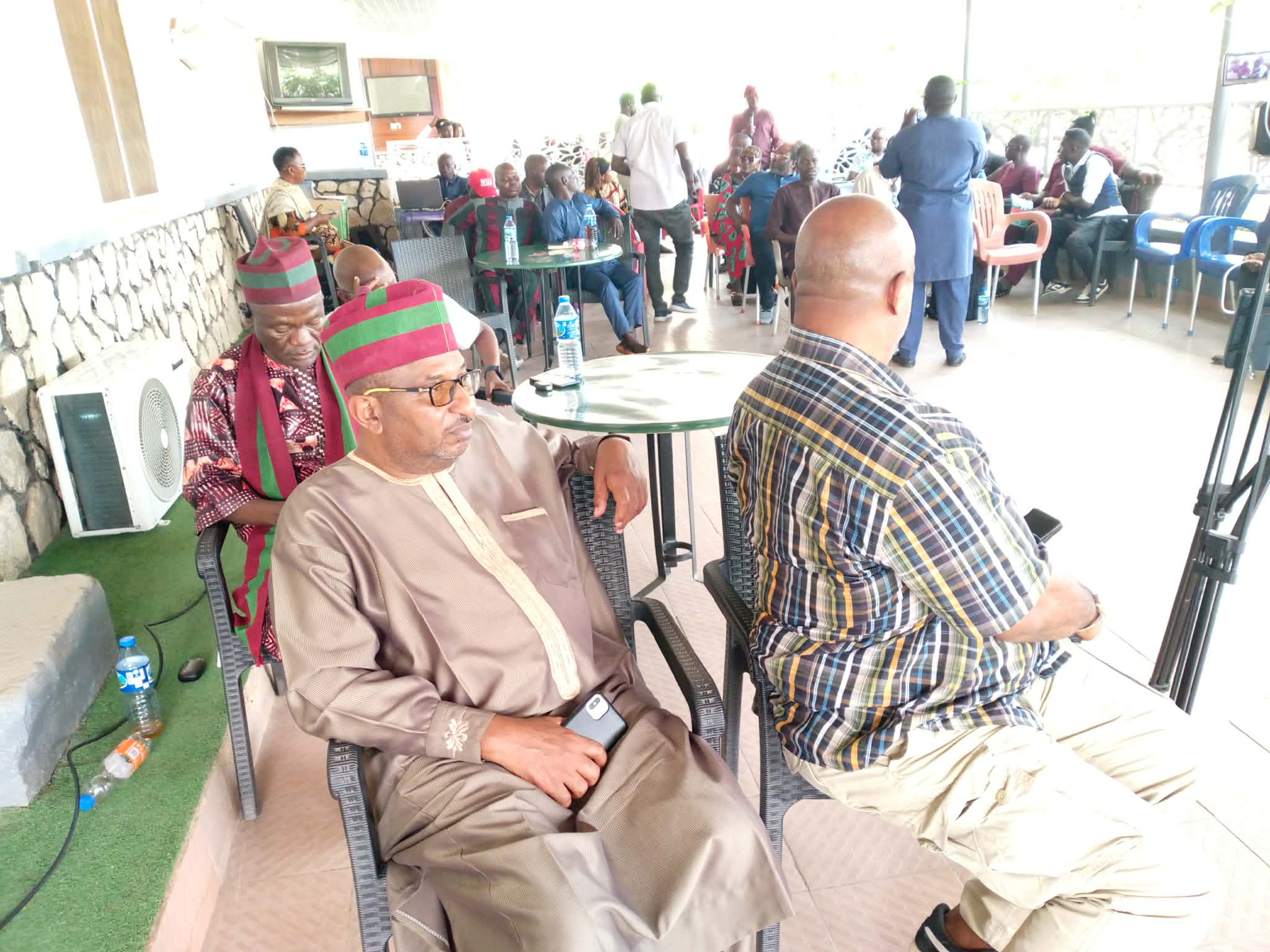
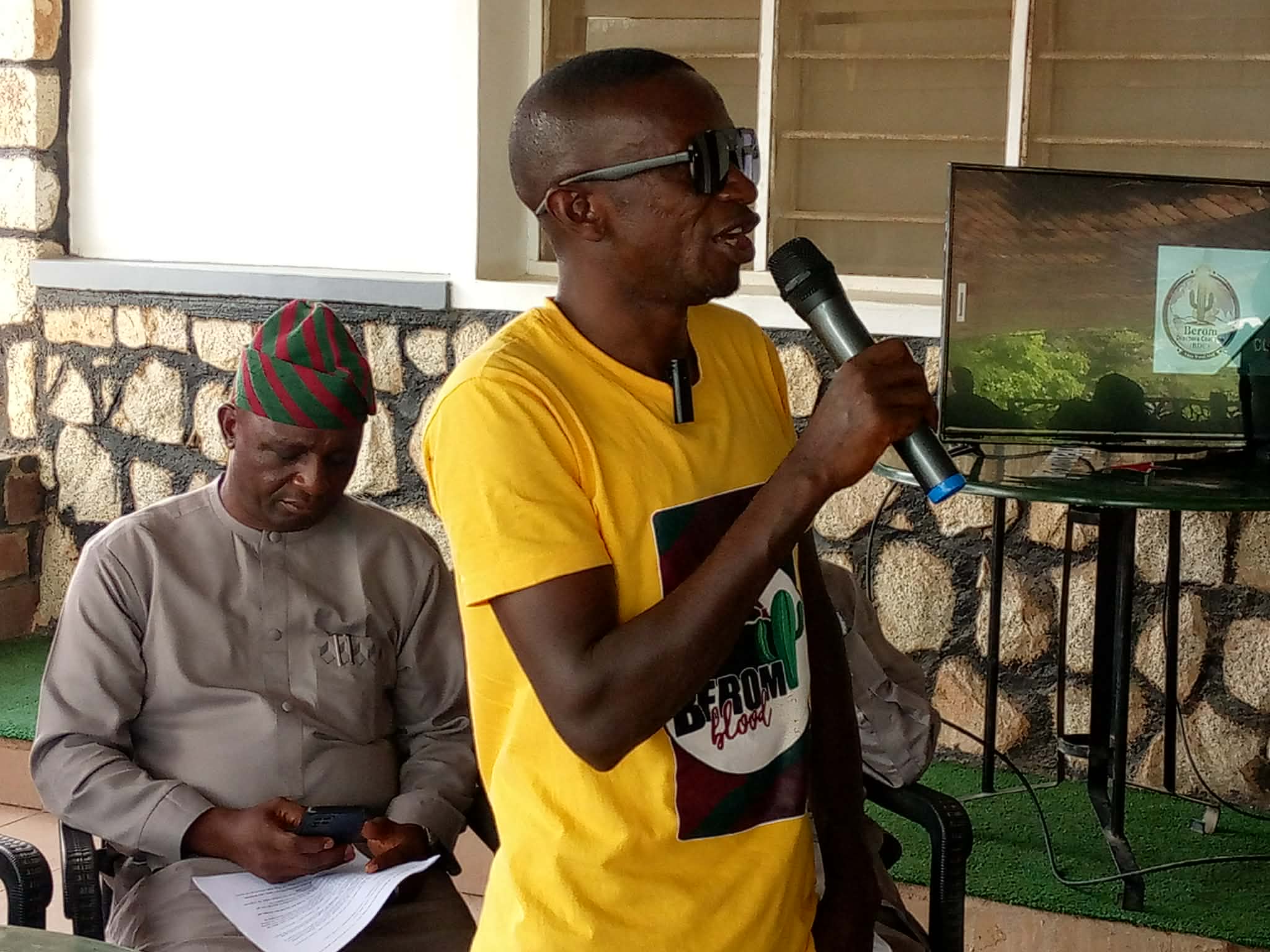
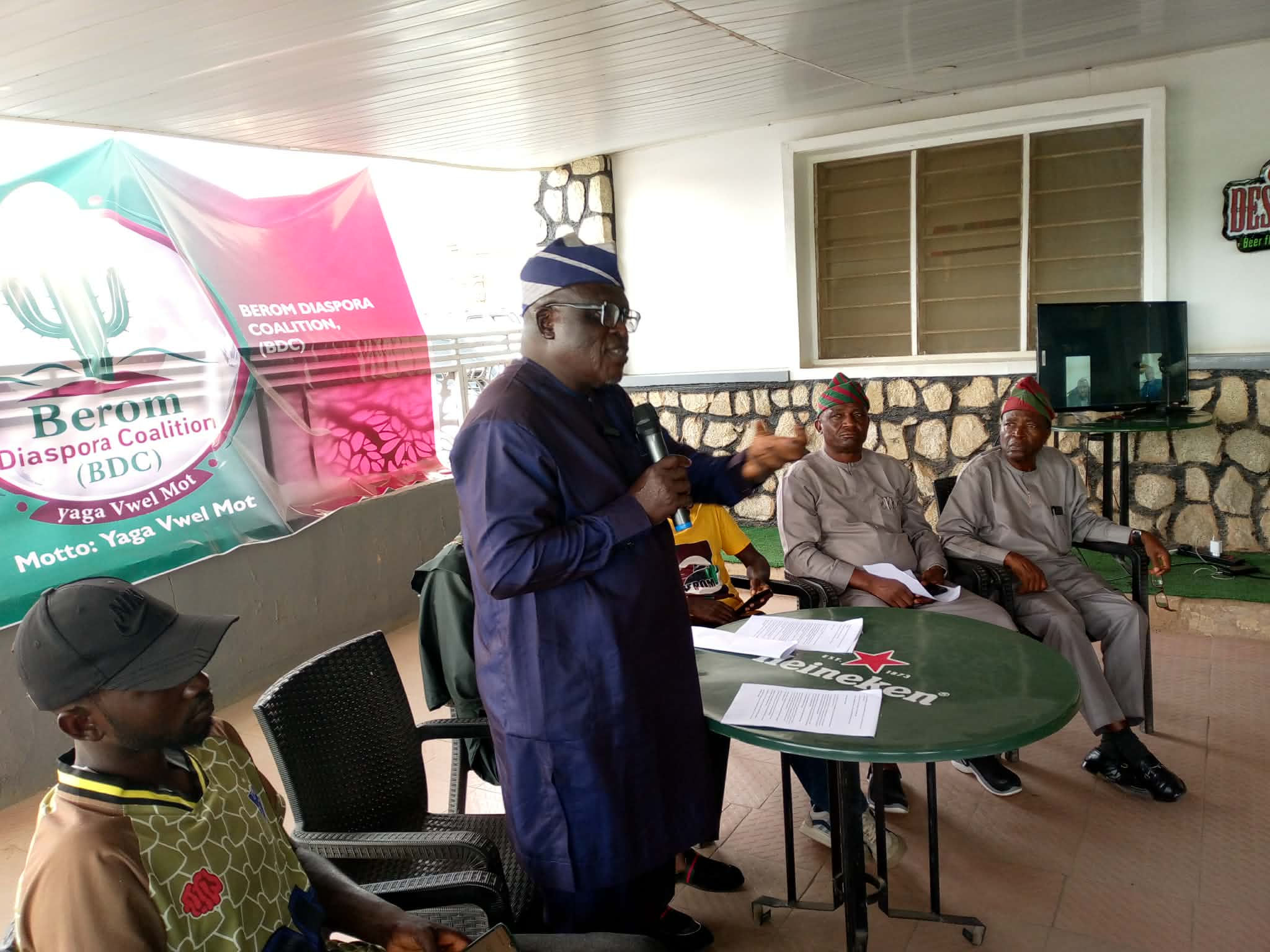
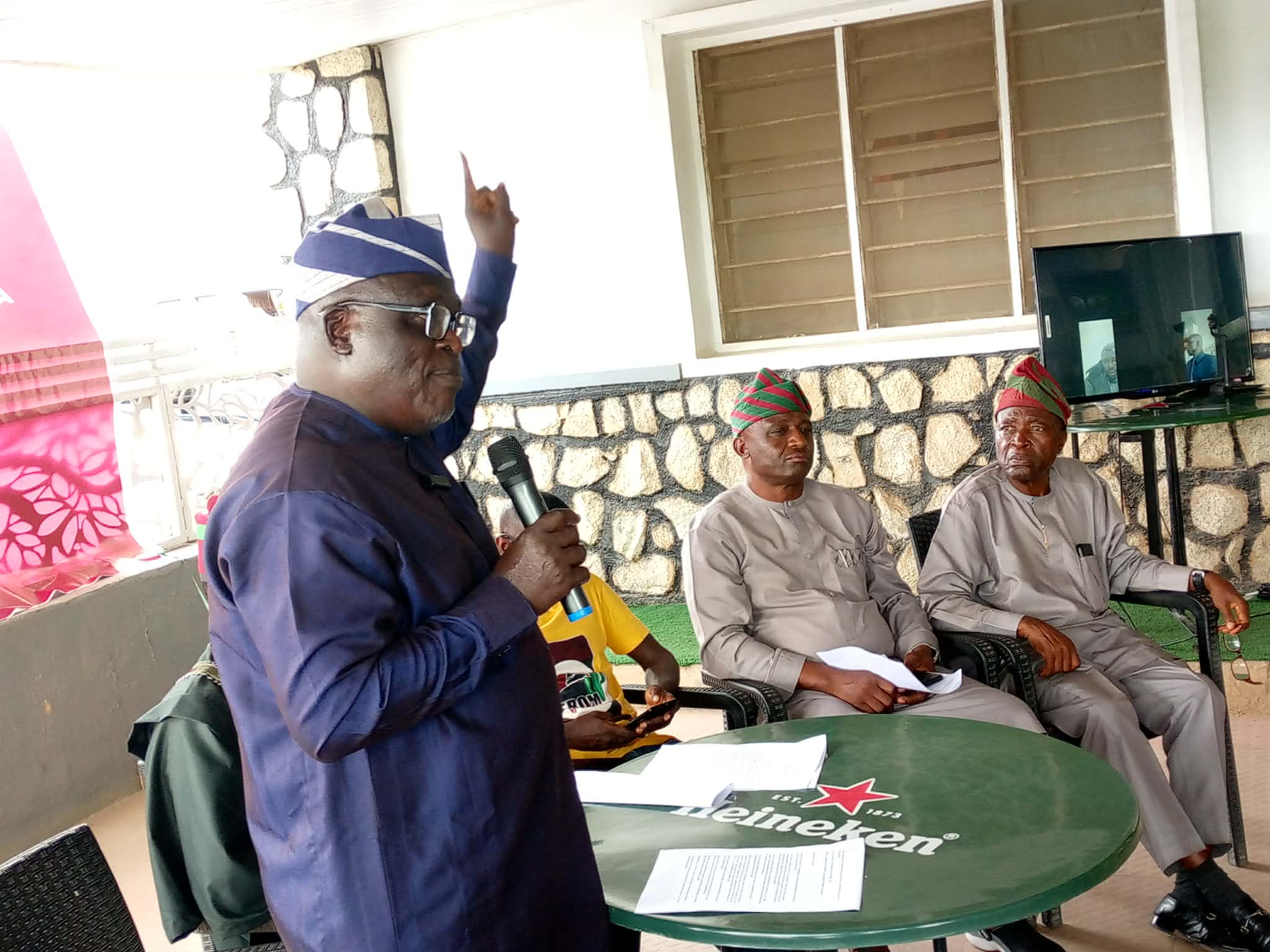
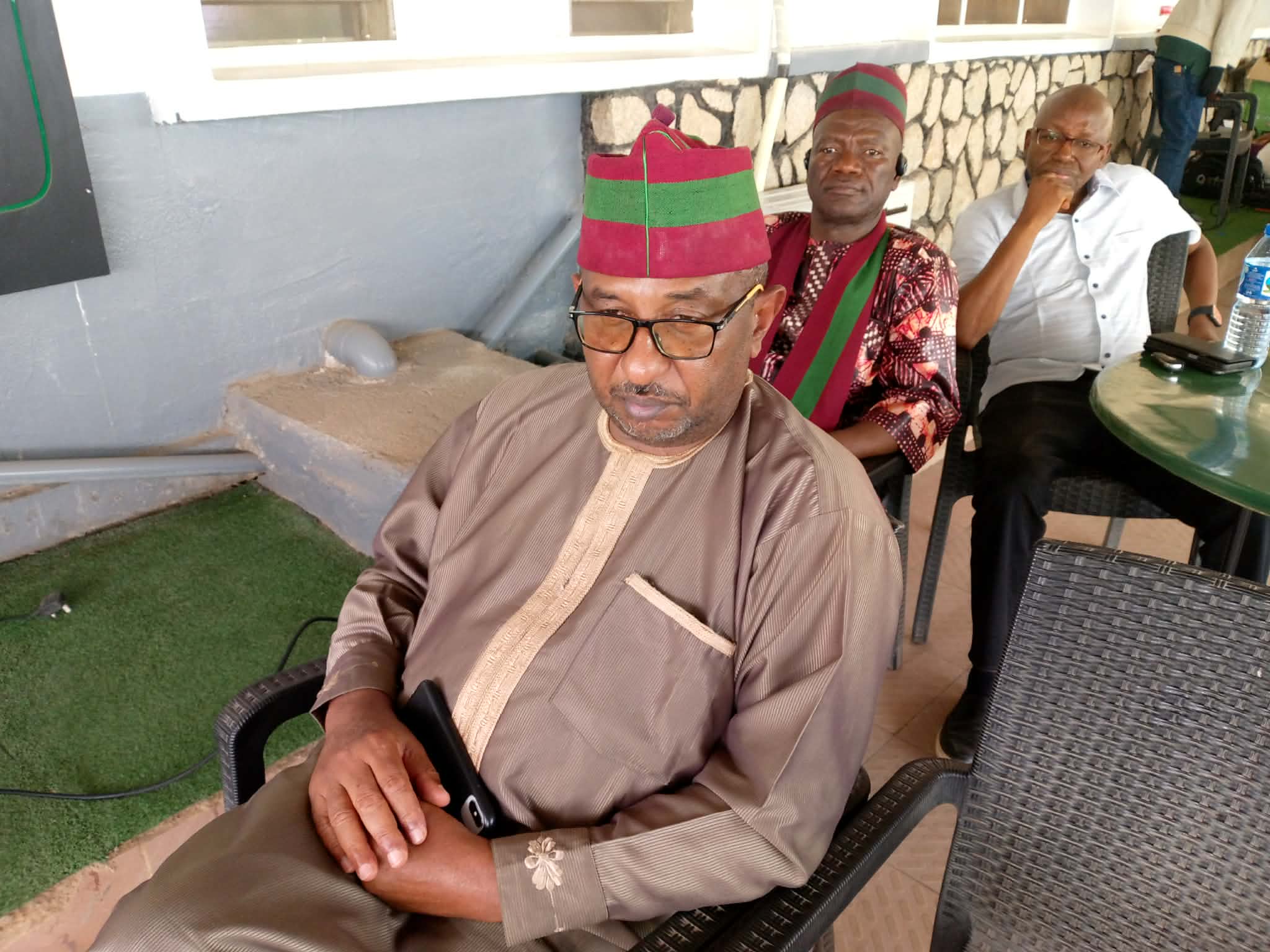
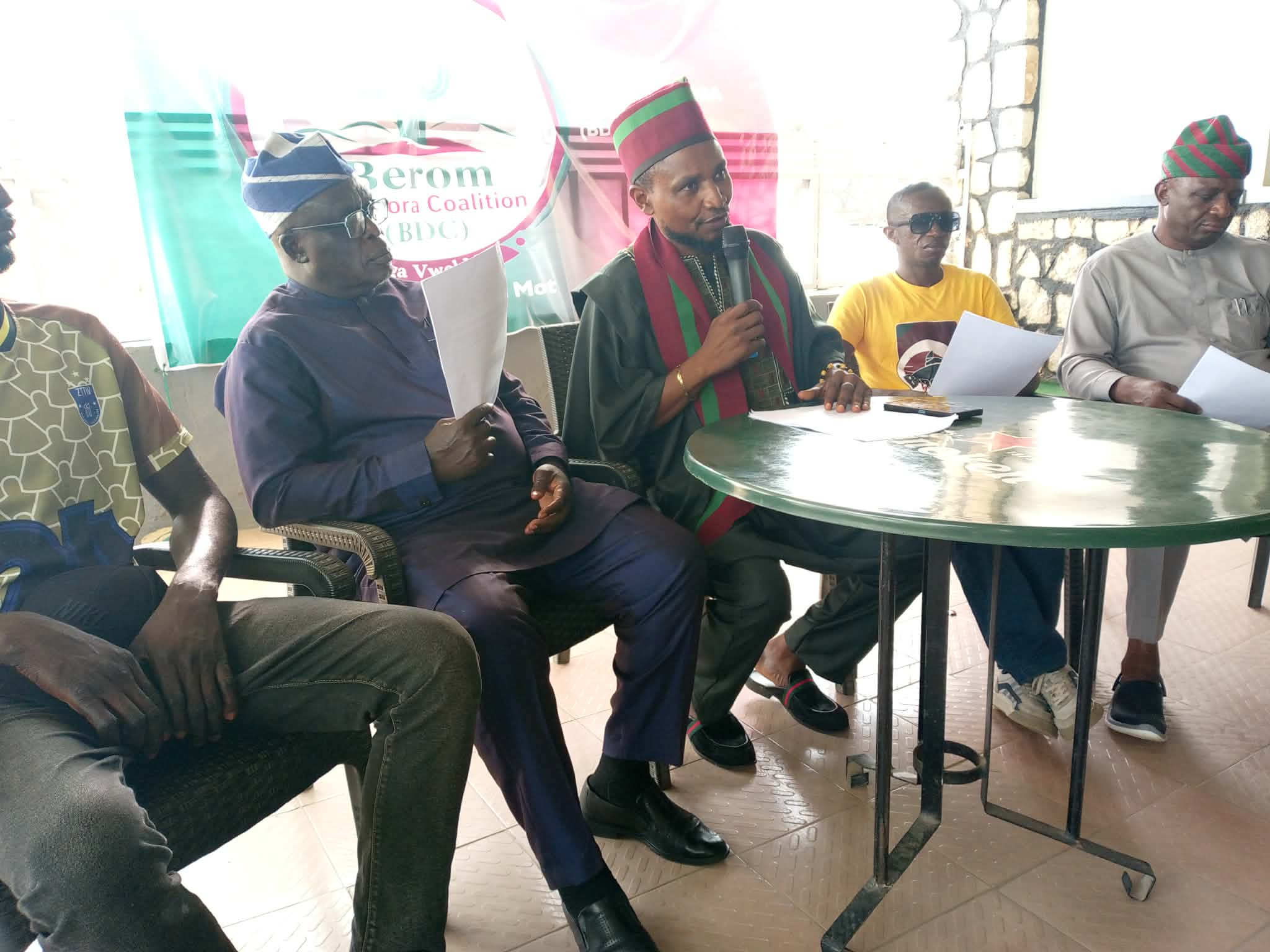
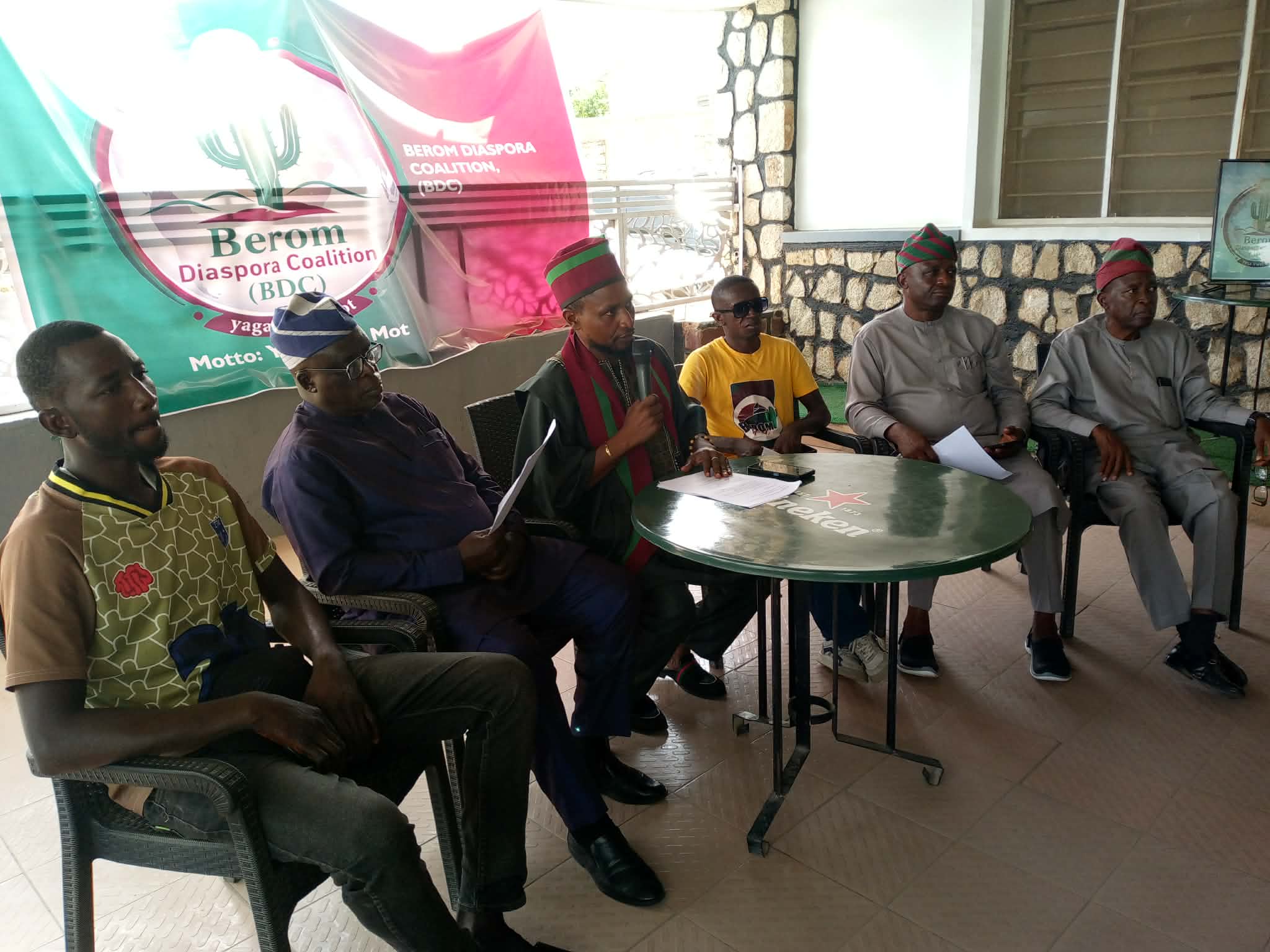
Addressing a World Press Conference in Jos, the Plateau State capital, the Convener of the Coalition, Barnabas Dazih, painted a grim and disturbing picture of a region under siege, where communities have become recurring targets of coordinated attacks by armed groups.
He decried what he termed the “unrelenting and systematic onslaught” against innocent civilians, stressing that despite repeated appeals to all tiers of government and security agencies, the killings have persisted with alarming frequency and brutality.
According to him, several Berom communities including Fan, Heipang, Kassa, Jol, Shonong, Gyel, Danwal and many others have continued to suffer repeated invasions, leaving trails of death, destruction, and displacement in their wake.
Dazih disclosed that between November 2025 and April 2026 alone, no fewer than 500 persons have lost their lives, with countless others injured, maimed, or rendered homeless. He further revealed that entire settlements have been razed, farmlands destroyed, and economic activities crippled in what he described as a deliberate attempt to destabilize the people and erase their means of livelihood.
“The situation in Berom land today resembles a theatre of horror,” he said. “It is a tragic reality where death stalks innocent citizens daily, and entire families are wiped out without provocation.”
He noted that the violence has cut across several local government areas including Barkin Ladi, Riyom, Jos South, Bokkos, and Bassa, adding that the attackers have extended their operations dangerously close to the Plateau State capital.
Citing the March 29 Easter attack in Angwan Rukuba, Jos North, where about 30 lives were lost, Dazih described the incident as a chilling reminder of how emboldened the perpetrators have become. He alleged that the attack followed earlier threats circulated in viral videos, further raising concerns about the failure to act on intelligence warnings.
The Coalition maintained that many of the attacks were neither spontaneous nor isolated, but rather premeditated assaults often preceded by warning signs that were ignored or inadequately addressed.
Raising further alarm, Dazih revealed that more than 70 Berom villages have been displaced, with reports suggesting that some of these communities are now under the control of armed groups. He described this development as a grave humanitarian and territorial crisis.
He also lamented the widespread destruction of farmlands and the denial of access to mining sites, the two critical pillars of the Berom economy warning that the long-term consequences could be devastating, including food insecurity, deepening poverty, and mass displacement.
While acknowledging public assurances by Bola Ahmed Tinubu and Caleb Manasseh Mutfwang to bring the killings to an end, the BDC expressed disappointment that such assurances have yet to translate into tangible improvements on the ground.
“The reality is that instead of abating, the attacks appear to be escalating in scale and coordination,” Dazih said, warning that the continued inaction risks emboldening perpetrators further.
The Coalition also criticized what it described as a troubling pattern in the response of security agencies. Dazih questioned why perpetrators of violent attacks often evade justice, while vulnerable community members who attempt to defend themselves are reportedly arrested, harassed, or labeled as criminals.
He cited instances in Bokkos, Bassa, Kanam, and Wase local government areas where locals were allegedly branded as cattle rustlers or terrorists without due judicial process, describing such actions as unjust and counterproductive.
“The protection of lives and property remains the primary responsibility of government,” he emphasized. “It is therefore unacceptable that citizens are left defenseless in the face of attacks, and worse still, criminalized when they attempt to survive.”
Calling for urgent and decisive intervention, the BDC advocated for a comprehensive approach to resolving the crisis. This, according to Dazih, should include reclaiming occupied territories, rebuilding destroyed communities, resettling displaced persons, and deploying stronger, intelligence-driven security operations to prevent further attacks.
In their separate remarks, prominent stakeholders including the Secretary of the Berom Educational and Cultural Organization (BECO), Da Chollom Gyang; President of the Berom Youth Moulders Association, Barr. Solomon Dalyop; and Chairman of the Berom Community Development Associations, Da Silas Bot Chuwang, reinforced the Coalition’s position.
They unanimously described the situation as a coordinated campaign of violence aimed at displacing indigenous populations and forcefully occupying ancestral lands.
The leaders expressed concern that the nation’s security architecture appears overstretched and ineffective in responding to the evolving threats, calling for a thorough overhaul to enhance responsiveness, intelligence utilization, and operational efficiency.
They further decried the reported influx of armed groups into Plateau State from neighboring regions, linking such movements to recent attacks in Angwan Rukuba, Pwomol Heipang, Gassa, and Gako communities.
The stakeholders emphasized that the failure to act on available intelligence has significantly contributed to the persistence of attacks, urging security agencies to adopt proactive rather than reactive strategies.
In conclusion, the Berom Diaspora Coalition called on the Federal Government to demonstrate stronger political will in addressing the crisis, ensure justice for victims, and restore confidence among affected communities.
They warned that without urgent intervention, the humanitarian situation could deteriorate further, with far-reaching implications not only for Plateau State but for national peace, unity, and stability.
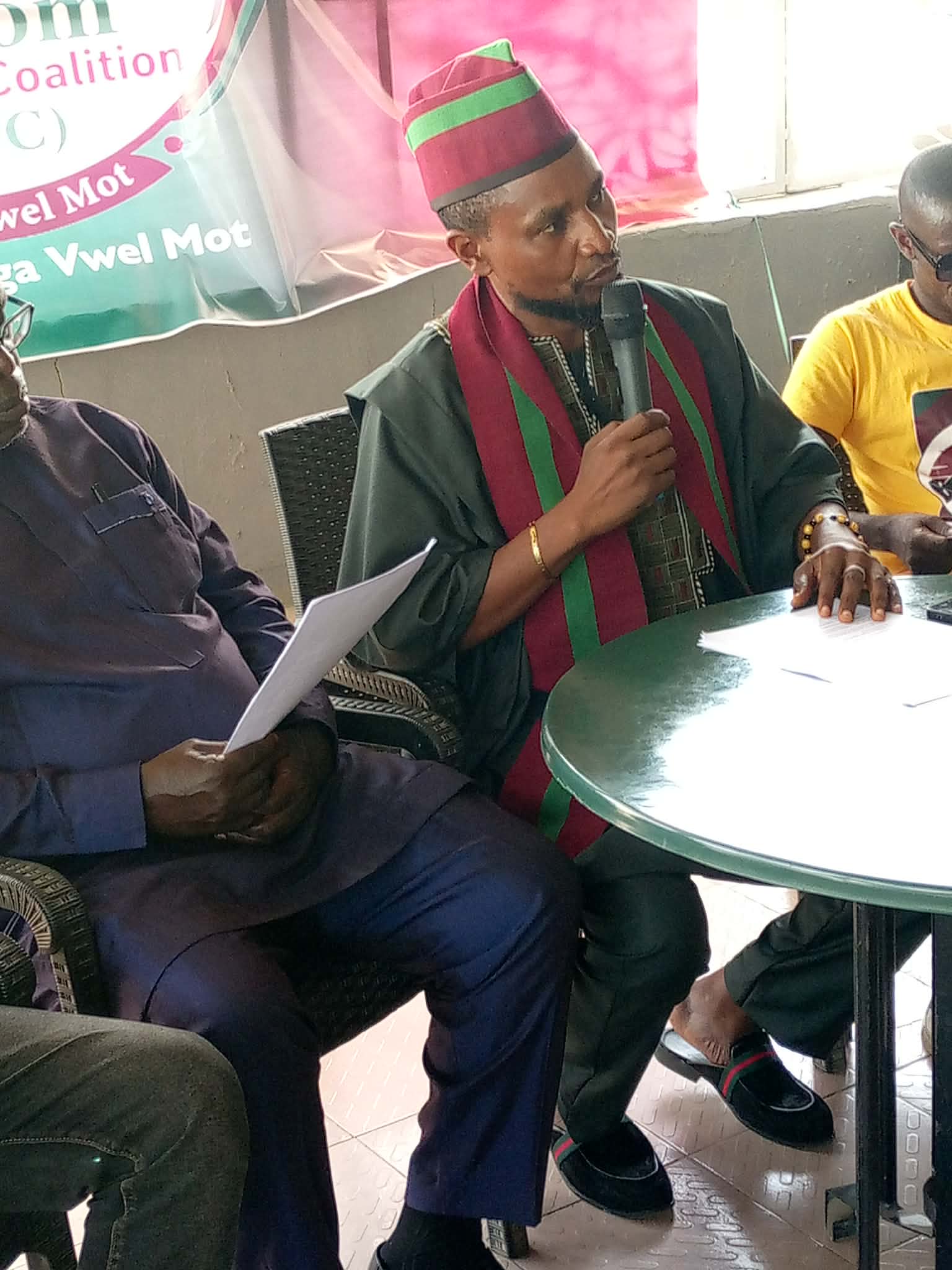
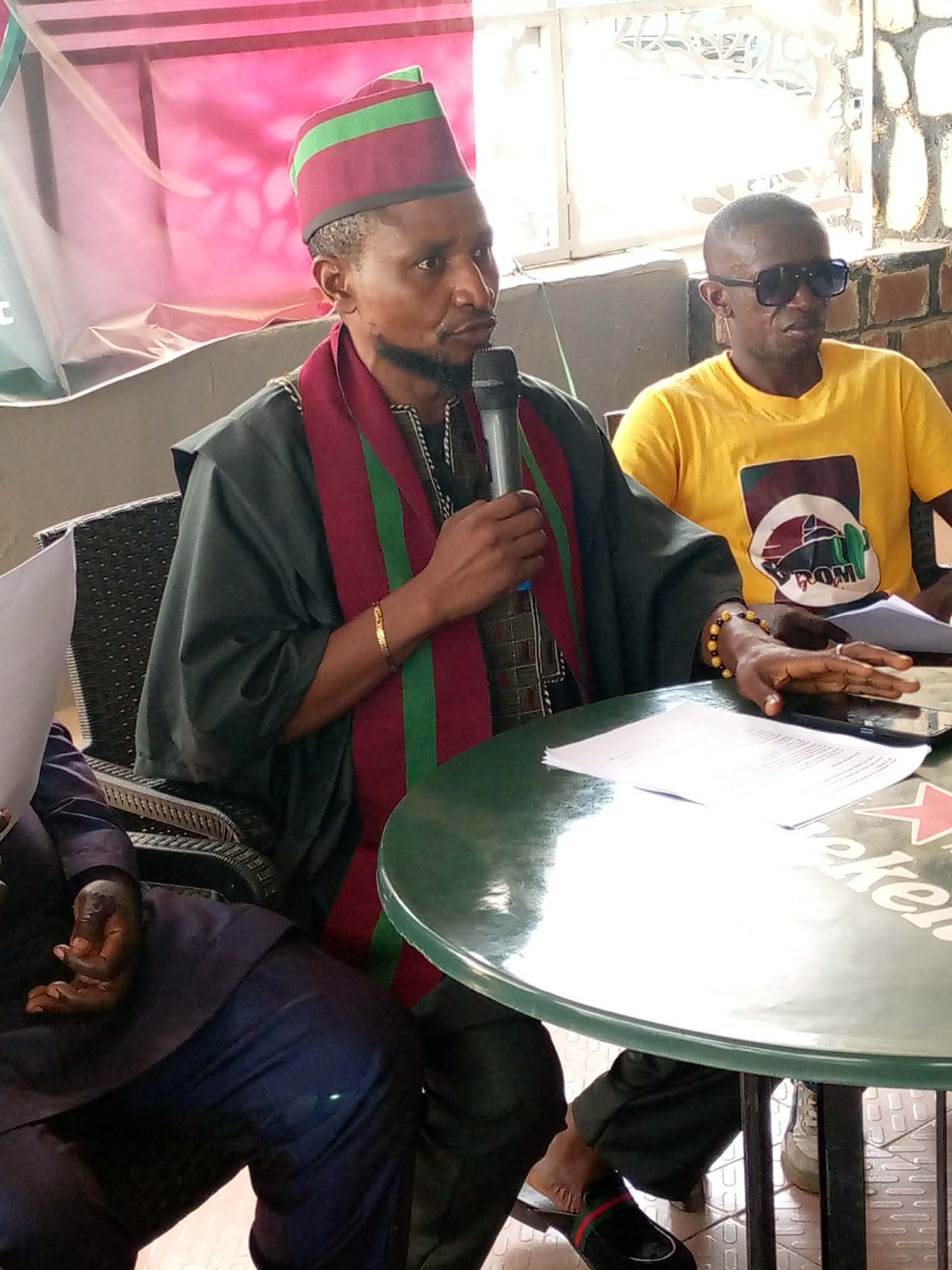
Da Stephen Kim Choji recounted his experience of the situation, explaining how his relative was kidnapped and later killed by armed Fulani bandits despite the payment of ransom to secure release as well as the ongoing killings in villages in Barkin Ladi Local Government Area. He highlighted the urgency of taking prompt action to stop the bloodshed.
count | 105

Recent Comments
Rinret JackdenSeptember 5, 2026 at 2:27 pm
Mwanchuel Daniel PamMarch 8, 2024 at 11:06 pm
Bob WayasNovember 6, 2023 at 5:30 am